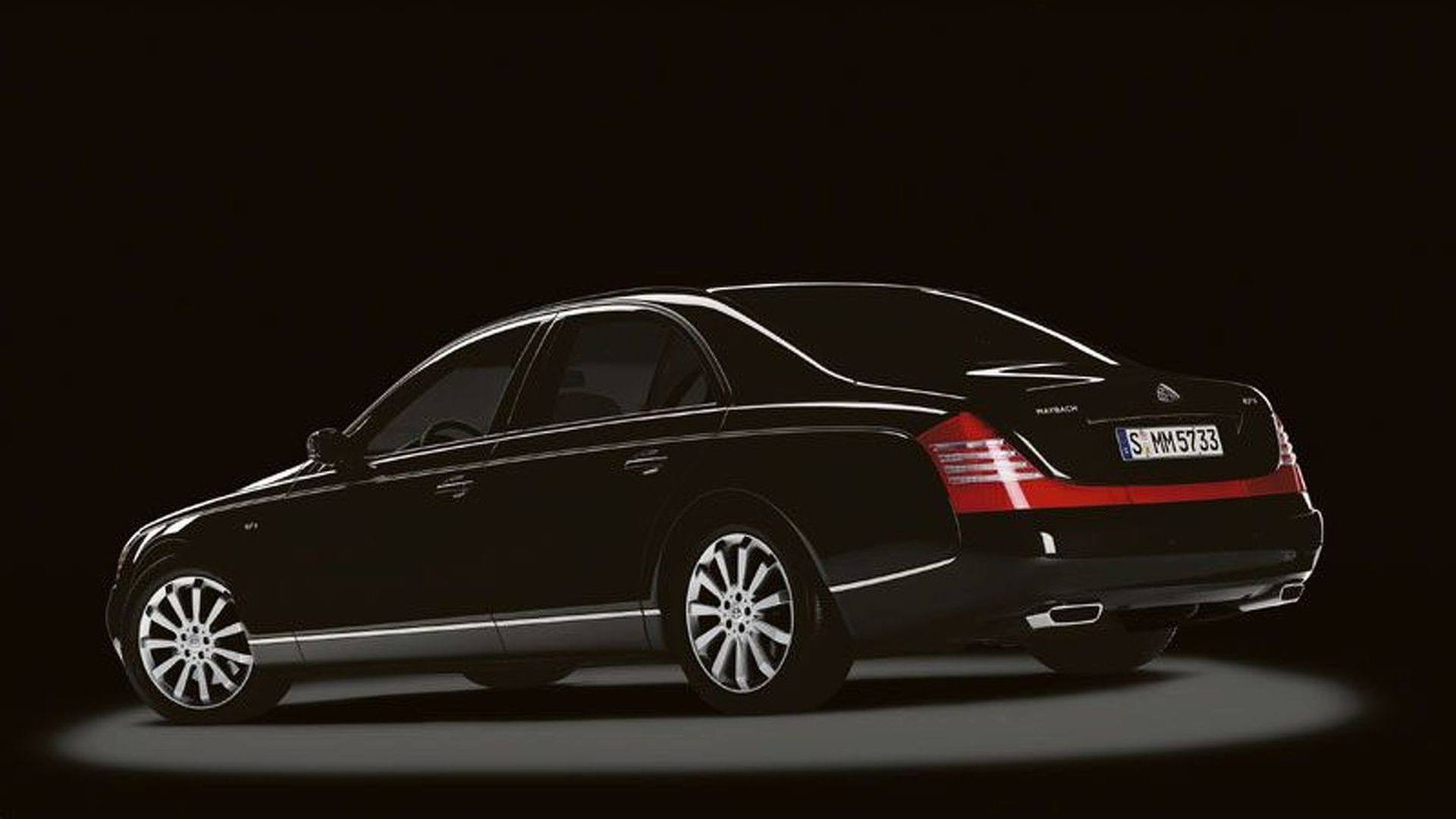
57 Zeppelin, every angle
 Exterior
 Exterior
 Exterior
 Exterior
 Exterior
 Exterior
Specifications
STORY
The Maybach name traces back to Wilhelm Maybach, the engineer who co-founded Daimler's early automotive work and, with his son Karl, built the Maybach-Motorenbau luxury cars of the 1920s and 1930s. Those were the vast, hand-finished Zeppelin limousines, among the most exclusive machines of their era. DaimlerChrysler revived the marque in 2002 as an ultra-luxury flagship to sit above Mercedes-Benz and take on Rolls-Royce and Bentley, previewing it with the 1997 Maybach concept before launching the production 57 and its long-wheelbase 62 sibling. The 57 (its name denoting a length of roughly 5.7 metres) was based on a heavily reworked Mercedes S-Class platform and hand-assembled at a dedicated facility in Sindelfingen.
Power came from Mercedes-AMG's M285 twin-turbo V12, a 5.5-litre unit making 550 PS and 900 Nm in the 57, with a 6.0-litre version producing 612 PS in the 57 S ("Spezial") and 640 PS in the 100-unit Zeppelin edition. Despite the engineering and the opulence, the Maybach never came close to its sales targets: it struggled to establish the brand cachet of its British rivals, and after roughly 3,000 cars over its lifetime Daimler wound the original marque down in 2012-2013. The name did not disappear, however. In 2014 Maybach returned as the Mercedes-Maybach sub-brand, applied to range-topping versions of the S-Class and later the GLS and other models, this time as a trim tier rather than a standalone make.
Source ↗