
911 GT1-98, every angle
 Exterior
 Exterior
 Exterior
 Exterior
 Exterior
 Exterior
 Exterior
 Exterior
 Exterior
 Exterior
 Exterior
 Exterior
 Exterior
 Details
 Exterior
 Details
 Exterior
 Exterior
 Exterior
 Exterior
 Exterior
 Interior
 Exterior
 Exterior
 Exterior
 Exterior
 Exterior
 Interior
 Exterior
 Exterior
 Exterior
 Engine
 Exterior
 Exterior
 Exterior
 Exterior
 Exterior
 Exterior
 Exterior
 Exterior
 Exterior
 Exterior
 Exterior
 Exterior
 Exterior
 Exterior
 Exterior
 Exterior
 Interior
 Details
 Details
 Exterior
 Exterior
 Exterior
 Exterior
 Exterior
 Exterior
Specifications
STORY
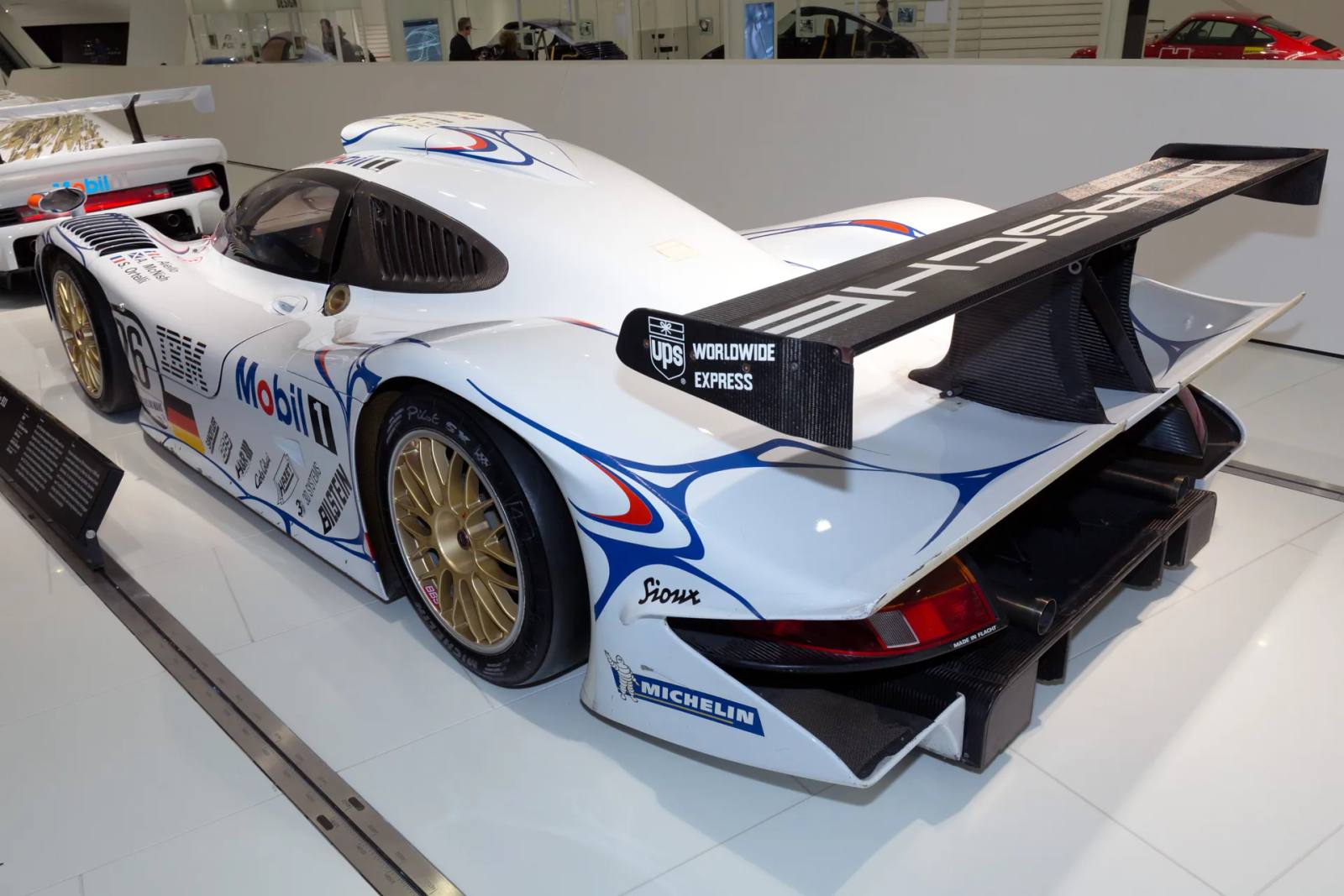
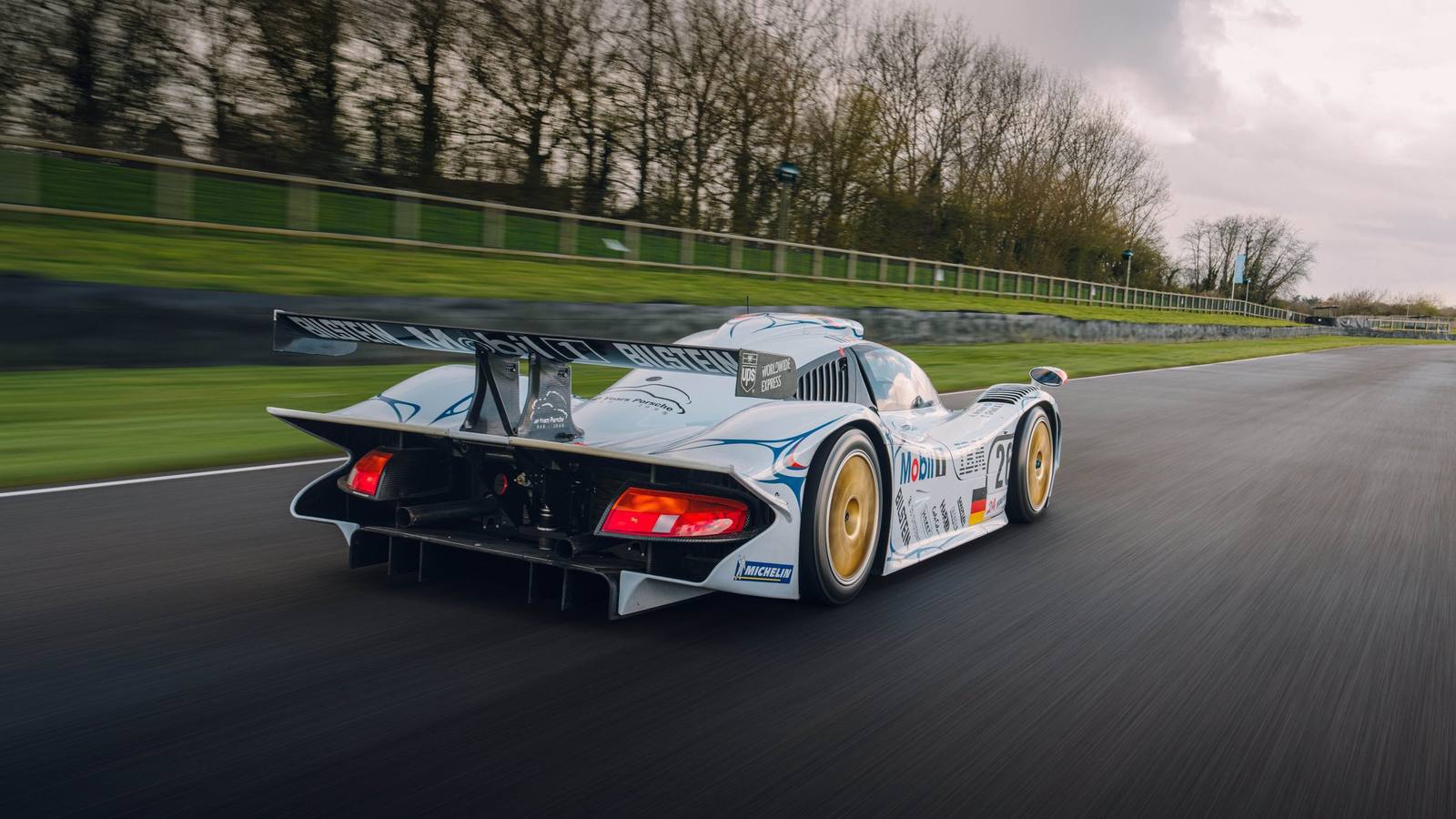
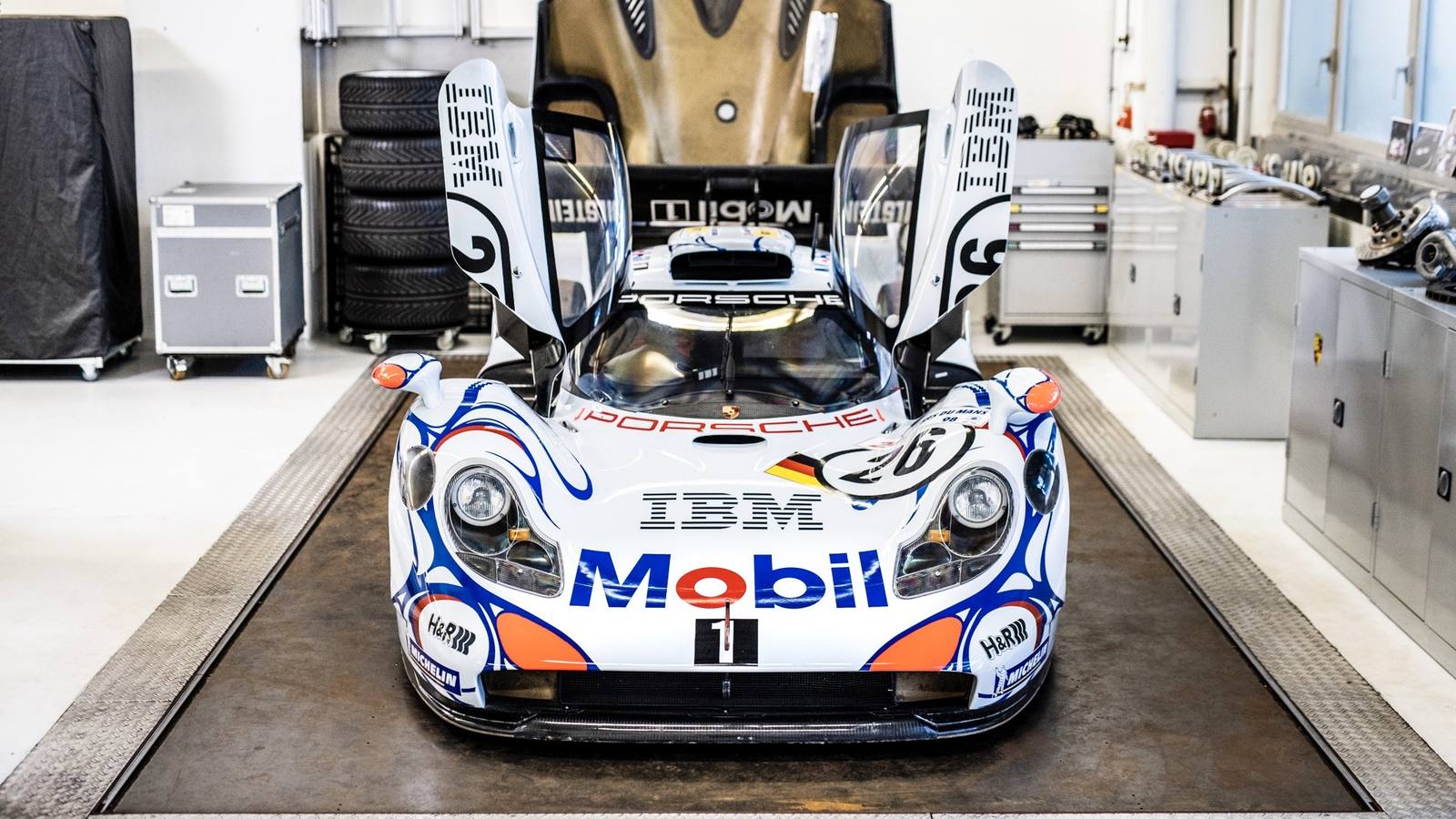
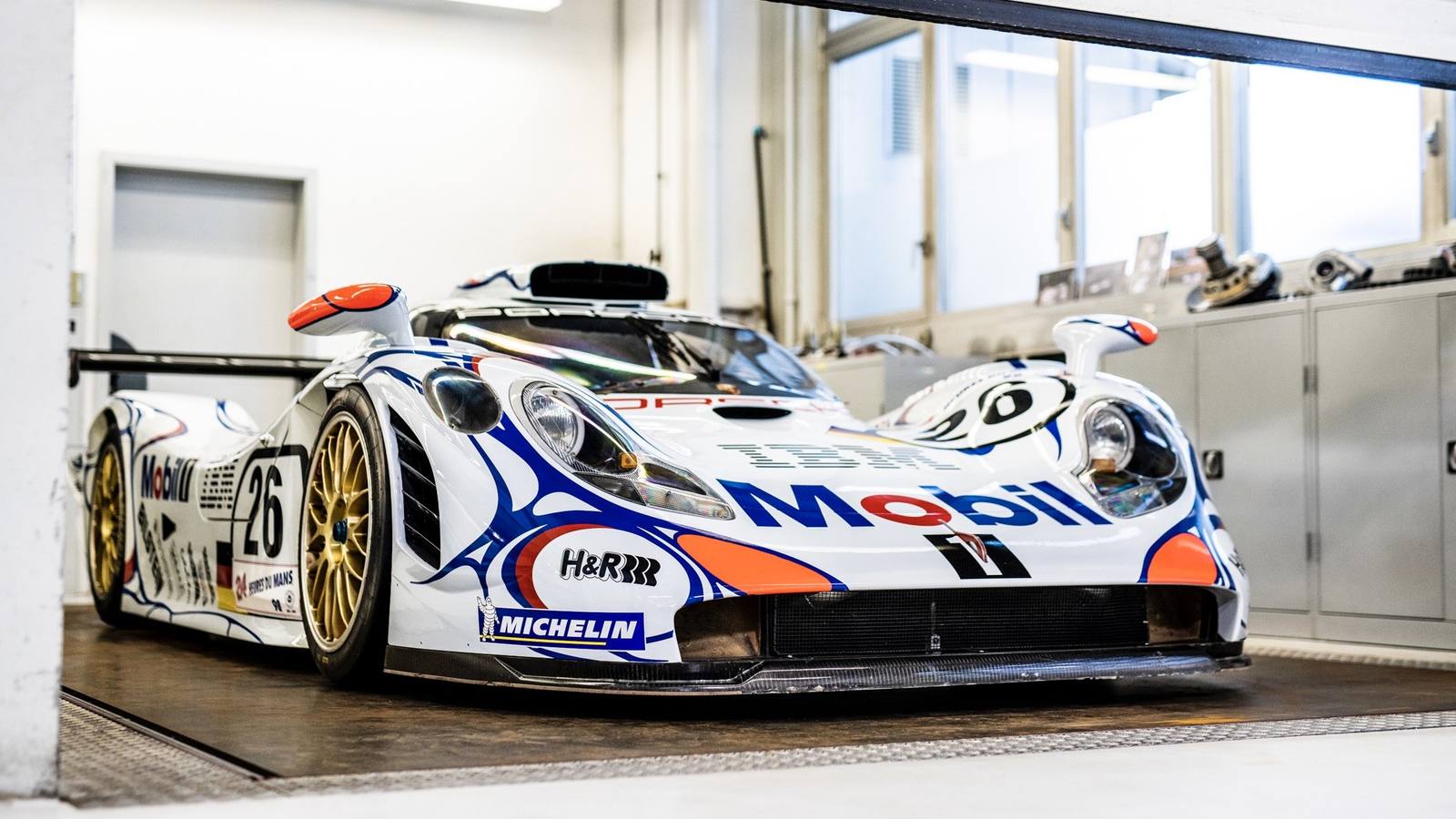
The 911 GT1 was Porsche's factory challenger for the top GT1 category that dominated sports-car racing in the mid-1990s, conceived by Norbert Singer to beat the McLaren F1 GTR at Le Mans while satisfying the class rule that a small run of road cars (the 911 GT1 Straßenversion) be built for homologation. Though it wore 911 bodywork and shared the 993's front structure, it broke with tradition by mounting its engine amidships: a water-cooled 3.2-litre twin-turbo flat-six descended from the 956/962 and 959 programme, producing roughly 600 hp. In its 1996 debut the two works cars finished first and second in the GT1 class and second and third overall at Le Mans, beaten only by the Porsche-powered TWR WSC-95 prototype. For 1997 the revised GT1 Evo adopted the forthcoming 996's headlamps and a more efficient body shell; the works Evos led Le Mans but retired with mechanical trouble, a privateer 1996-spec car salvaging fifth overall. The definitive 1998 GT1-98 abandoned the steel-hulled layout for a full carbon-fibre monocoque built by CTS, cutting weight to about 950 kg, and used the 3.2-litre twin-turbo flat-six (with 959-derived heads and KKK K27 turbochargers) for around 550 hp. It delivered a crushing one-two at the 1998 24 Hours of Le Mans, the winning car of Laurent Aiello, Allan McNish and Stéphane Ortelli securing Porsche's 16th outright victory there and its last until the 919 Hybrid in 2015.