
Turbo, every angle
 Exterior
 Exterior
 Exterior
 Exterior
 Exterior
 Exterior
 Exterior
 Exterior
 Exterior
 Exterior
 Exterior
 Exterior
 Exterior
 Exterior
 Exterior
 Exterior
 Exterior
 Exterior
 Exterior
 Exterior
 Exterior
 Exterior
 Exterior
 Exterior
 Interior
 Interior
 Exterior
 Exterior
 Exterior
 Exterior
 Exterior
 Details
 Exterior
 Exterior
 Engine
 Exterior
 Exterior
 Details
 Exterior
 Exterior
 Exterior
 Exterior
 Exterior
 Exterior
 Exterior
 Exterior
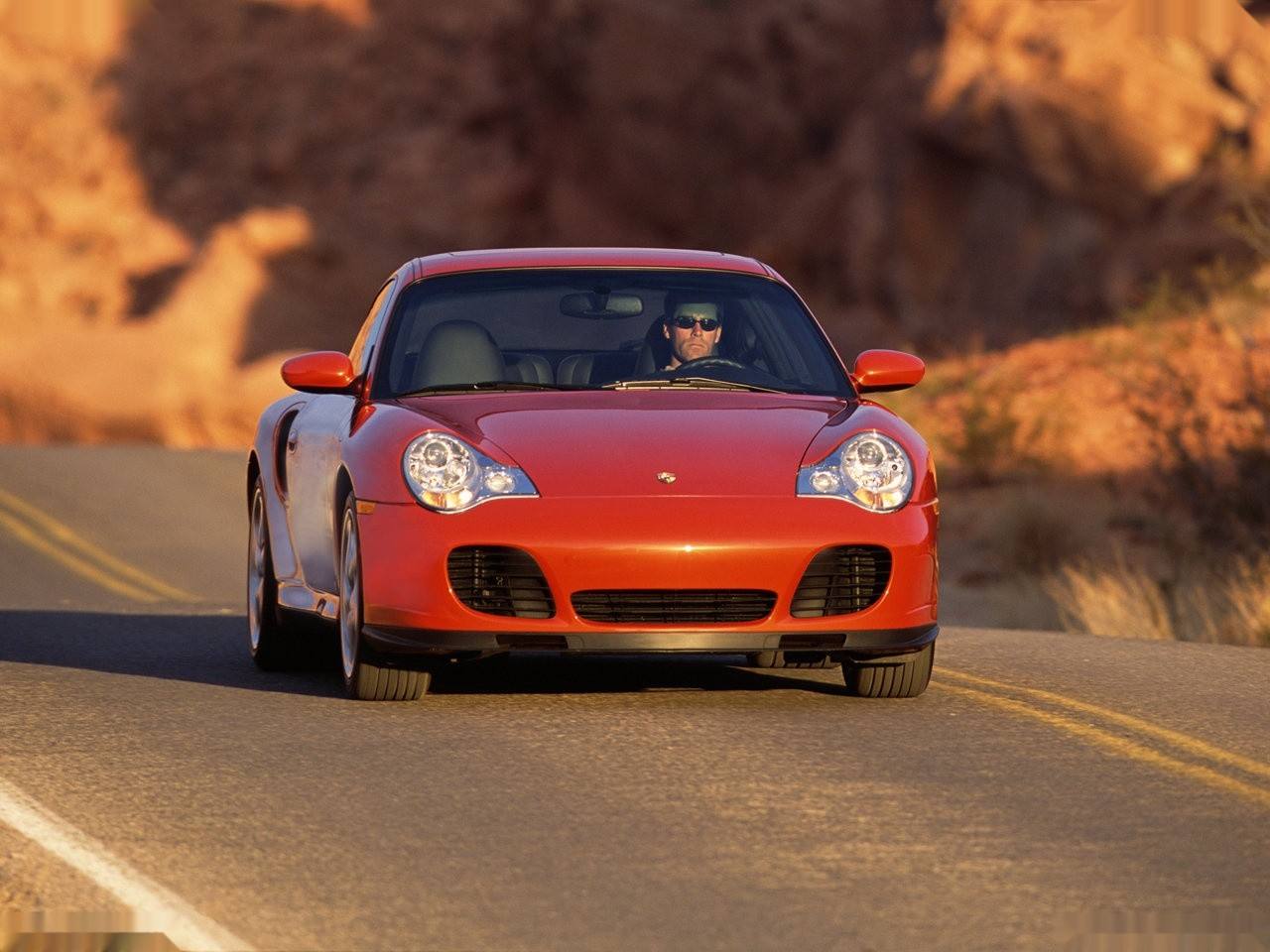 Exterior
 Exterior
 Exterior
 Exterior
 Exterior
 Exterior
 Exterior
 Exterior
 Details
 Exterior
 Exterior
 Exterior
Specifications
STORY
No car defines a brand the way the 911 defines Porsche. Unveiled at the 1963 Frankfurt show and sold from 1964, it began life badged 901 until Peugeot's claim on three-digit names with a central zero forced the rename. Its formula was heretical then and holy now: a flat-six hung out behind the rear axle, a shape penned by Ferry Porsche's son Butzi that has never truly changed.
That rear-engine layout should have been a liability, and early cars could bite. Instead Porsche spent six decades engineering the flaw into a signature, refining traction, aerodynamics and electronics generation after generation while never abandoning the silhouette. The 911 is the textbook case of evolution over revolution.
From the air-cooled purists' 993 to the water-cooled 996 that saved the platform, from turbos to GT3s to the hybrid-assisted cars of today, the 911 remains the reference point every sports car is measured against, and the only Porsche that has run continuously since the 1960s.
Source ↗