1995: Initial D begins serialization
Moment in drift history · JP
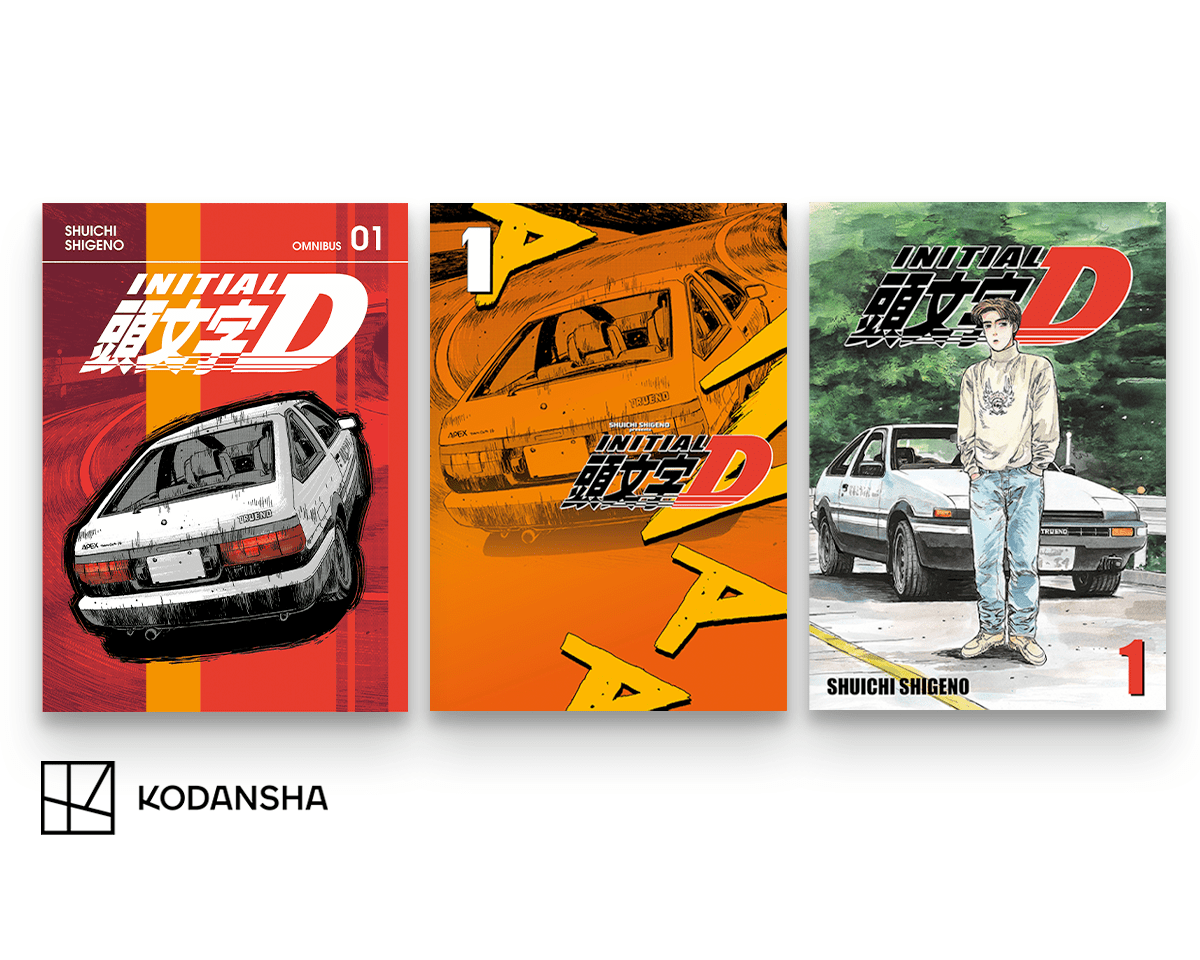
Shuichi Shigeno's manga turns a paperboy and an AE86 into a global symbol. Eurobeat and tofu deliveries become inseparable. The anime arrives in 1998 and exports the touge mythology to every car-curious teenager on earth.
Shuichi Shigeno started Initial D in Weekly Young Magazine in 1995. The premise was modest: a teenager named Takumi Fujiwara delivers tofu down the mountain he calls "Akina" (the real Mt. Haruna) at dawn in his father's ten-year-old Toyota AE86 Trueno, learns over years that he is the fastest touge driver in the area, gets invited into formal street-racing battles against newer, more powerful cars, wins.
The serialization ran in print for eighteen years and became the most-cited drift narrative in any medium. The anime adaptation began in 1998 with Eurobeat licensed in as the soundtrack, Dave Rodgers, m.o.v.e, Manuel, and exported the touge mythology to a global audience that had never set foot in Gunma Prefecture.
The cultural debt to the show is enormous. The AE86 became a global object. Eurobeat became permanently fused with drift aesthetics. Mt. Haruna, the real "Akina", became a pilgrimage. Almost every modern professional drifter under fifty watched it or was taught by someone who did. Keiichi Tsuchiya served as the show's driving consultant.
Who was there
- Shuichi Shigeno, Manga author / creator
- Keiichi Tsuchiya, Driving consultant
Cars
What happened next
- AE86 prices on the second-hand market climb steadily through the late 1990s and into the 2000s as global demand multiplies.
- Eurobeat enters drift culture permanently. Initial D OST volumes become reference compilations decades after release.
- Mt. Haruna, the real "Akina", becomes a pilgrimage road. Modern Japanese police actively patrol it because of unauthorised touge runs from international visitors.