Volvo VESC (Volvo Experimental Safety Car) concept (1972)
Concept car · 1972 · Combustion
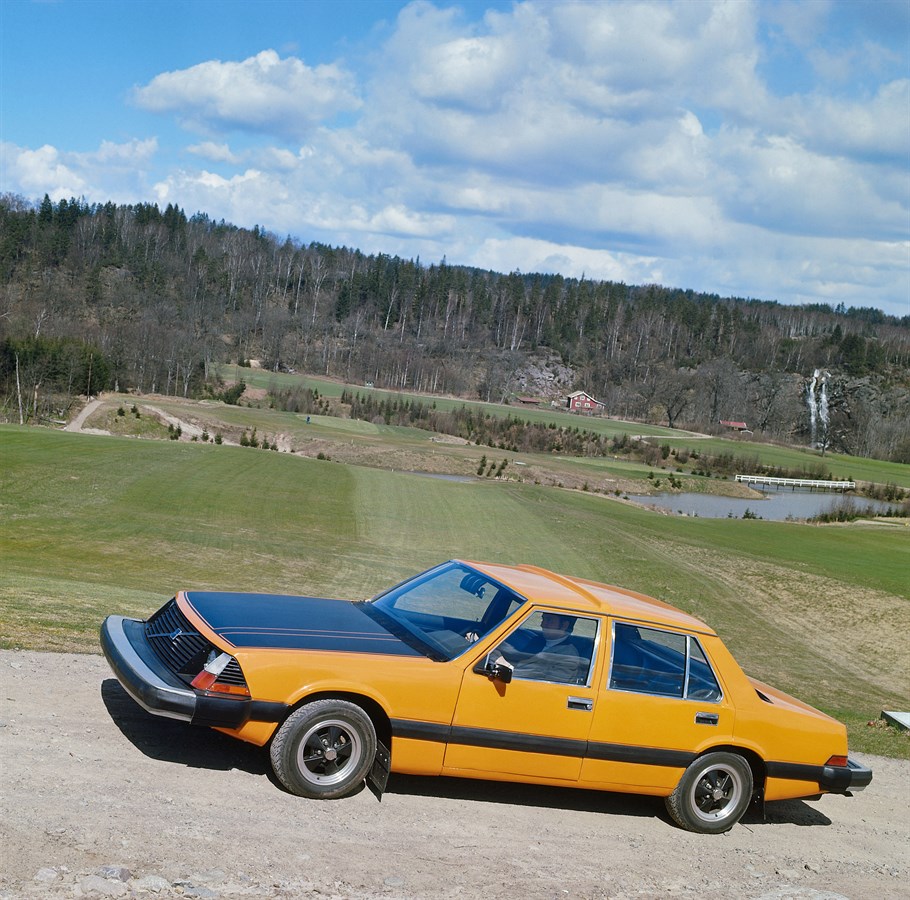
A rolling safety laboratory decades ahead of its time
The Volvo Experimental Safety Car was a research vehicle that pioneered numerous safety technologies later adopted across the industry. It featured self-tensioning front seat belts that strapped occupants in when the engine started, automatically extending headrests, anti-lock brakes, crumple zones, a reinforced firewall to force the engine below the cabin in a crash, and a rearward-collapsing steering column. It was designed to survive an 80 km/h frontal impact.
Key facts
- Engine: Fuel-injected four-cylinder B20
- Length: 5,520 mm (217 in)
- Crash target: Survivable 80 km/h (50 mph) frontal impact
- Safety tech: Auto seat belts, extending headrests, ABS
- Emissions: EGR and catalytic reactor
Production
- Status: Concept only
- Experimental Safety Car research prototype whose ideas fed the Volvo 240 but was never itself sold.
- Revealed at 1972 Geneva Motor Show
Source: Wikipedia